Thursday, October 1, 2026

CHELAN — After months of discussion about the future of the Lake Chelan Municipal Golf Course, members of the Chelan Parks and Recreation Advisory Board began narrowing their focus June 1, shifting from identifying the course's challenges to exploring how the city might address them.
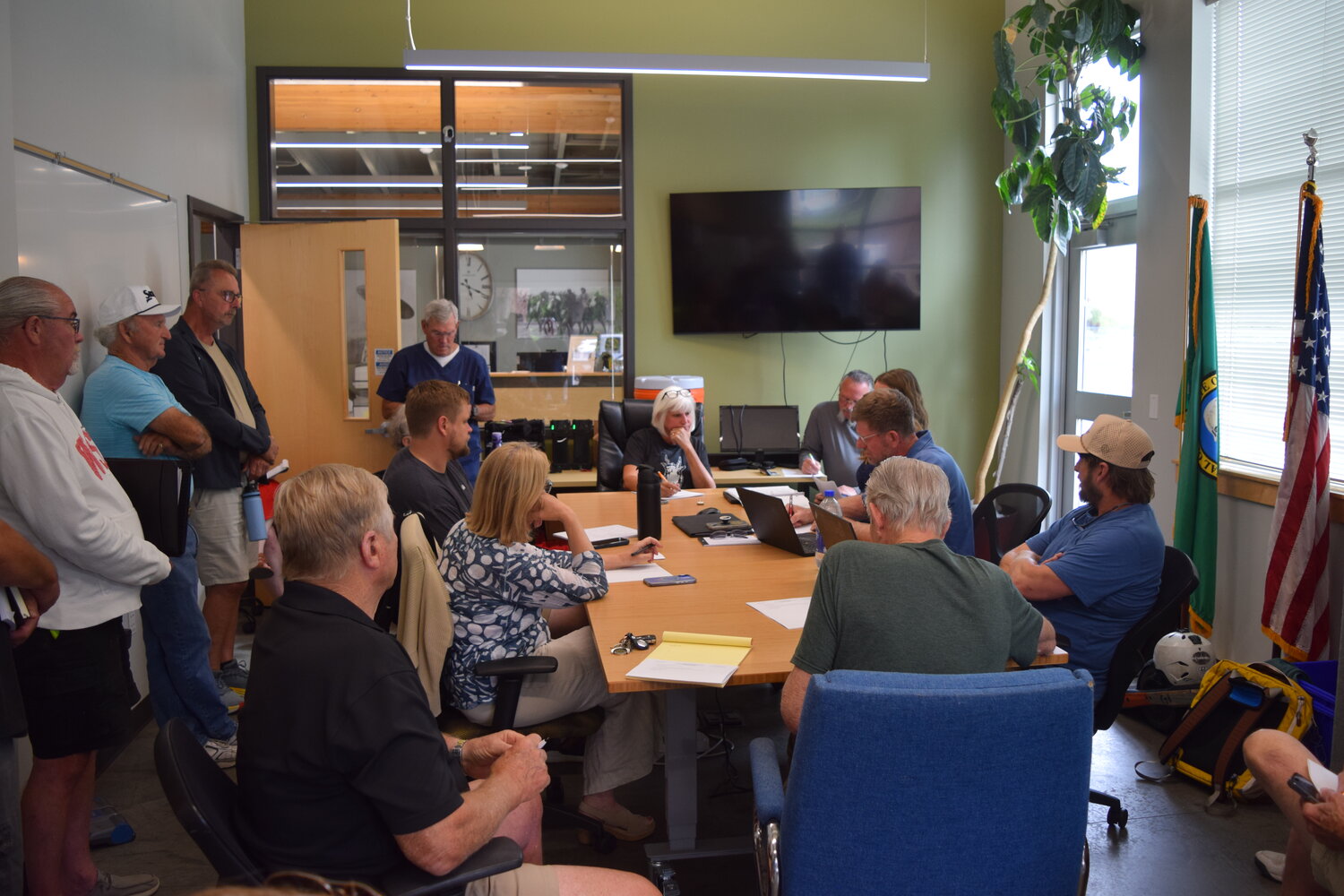
Meeting in a packed room at the Parks and Recreation office in Don Morse Memorial Park, board members spent more than two hours discussing recommendations from a recent National Golf Foundation study, with much of the conversation centered on irrigation needs, potential funding sources and whether the city should continue operating the course itself.
Attendance was unusually high for the advisory board meeting, with every chair occupied and additional attendees standing along the walls. Despite the turnout, public comment was brief, and the discussion largely centered on board members and staff working through the consultant's recommendations and potential funding options.
The National Golf Foundation report identified rising operating costs and significant capital needs, particularly related to the golf course's aging irrigation system. While the report examined several management models, including third-party operation and leasing arrangements, board members generally expressed support for maintaining city operation of the course while exploring ways to address its financial challenges.
Vice Chair Todd Higley raised questions about whether all options had been considered, including whether portions of the course could be repurposed and whether historical transfers of parks-generated revenue elsewhere within city government had contributed to the current funding challenges. He also noted the importance of considering the perspectives of residents who may not view the golf course as a priority.
Board member Janet Heg argued that solving the course's capital challenges should remain the city's first priority.
"I'm kind of on the view that we need to figure out the capital problem first," Heg said during the discussion.
Later in the meeting, Heg outlined a series of potential funding concepts, including community bonds, prepaid multi-year golf passes, fundraising tournaments, partnerships with service organizations and capital improvement fees attached to rounds played. While she described some of the ideas as brainstorming, the suggestions sparked a broader conversation about how the city might assemble multiple funding sources to address major infrastructure needs.
Other members questioned what a private management company could realistically accomplish if the city's irrigation issues remain unresolved. Several noted that any outside operator would likely expect those infrastructure concerns to be addressed before assuming responsibility for the course.
Board member Mat Engstrom expanded on several of the funding ideas, discussing lifetime memberships, prepaid pass programs and the potential impact of modest increases to green fees and annual memberships. Engstrom argued that golfers would likely be receptive to higher rates if the city is transparent about the need to fund irrigation improvements and preserve the course's long-term future.
Board member Brad Nelson focused much of his attention on operational improvements recommended in the consultant's report. Nelson pointed to opportunities involving golfer amenities, food service, retail sales and the overall customer experience, suggesting that operational improvements should accompany any future fee increases.
Throughout the discussion, Parks and Recreation Director Audrey Cooper repeatedly drew a distinction between the course's operational challenges and its capital needs, describing them as related but separate issues requiring different solutions.
"The operating expenses of the golf course are kind of outstripping the revenue potential," Cooper said, while noting that the consultant also identified opportunities for additional revenue growth.
As the conversation continued, board members approached the issue from different perspectives — financing, operations, governance and community priorities — but largely converged on the view that the city should focus first on funding needed infrastructure improvements while continuing to operate the course itself.
The board stopped short of making formal recommendations on specific funding proposals. However, members appeared to coalesce around the idea that maintaining local control while identifying funding for irrigation improvements should remain the city's primary focus moving forward.
Cooper later informed the Chelan City Council during its June 2 workshop that the advisory board had expressed interest in holding a joint special meeting with council on June 18 to continue discussions surrounding the golf course and the consultant's recommendations.
Any future changes to golf course operations or funding would ultimately require City Council action.
Andrew Simpson: 509-433-7626 or andrew@ward.media


Comments
No comments on this item Please log in to comment by clicking here